Home Parallel Fluidics logotype

Knowledge Base

49 entries

Resources

  1. How the LNP Screening Array Works

    by Joshua Gomes

    • application
    • overview
  2. Building a Higher-Throughput LNP Screening Workflow

    by Joshua Gomes

    • application
    • overview
  3. What Determines the Cost per LNP Formulation?

    by Joshua Gomes

    • application
    • overview
    • deep dive
  4. LNP Screening Array vs. Benchtop Systems

    by Joshua Gomes

    • application
    • overview
    • deep dive
  5. What Is LNP Formulation Screening?

    by Joshua Gomes

    • application
    • overview
  6. How Automation Is Changing LNP Formulation Screening

    by Joshua Gomes

    • application
    • overview
  7. Pipette Mixing vs. Microfluidic Mixing for LNP Screening

    by Joshua Gomes

    • application
    • overview
  8. What to Look for in an Automated LNP Formulation Workflow

    by Joshua Gomes

    • application
    • overview
    • deep dive
  9. How to Evaluate an LNP Screening Platform

    by Joshua Gomes

    • application
    • overview
    • deep dive
  10. How to Buy an LNP Screening Platform Without a Long Procurement Cycle

    by Joshua Gomes

    • application
    • overview
  11. What Causes Variability in LNP Formulation?

    by Joshua Gomes

    • application
    • overview
    • deep dive
  12. How to Compare LNP Formulations During Screening

    by Joshua Gomes

    • application
    • overview
  13. How to Measure Reproducibility in an LNP Screening Workflow

    by Joshua Gomes

    • application
    • overview
  14. How to Run Microfluidic LNP Formulation Without a Microfluidics Engineer

    by Joshua Gomes

    • application
    • overview
  15. What Equipment Does an LNP Screening Lab Need?

    by Joshua Gomes

    • application
    • overview
  16. How Much RNA Does Each Formulation Use in an LNP Screen?

    by Joshua Gomes

    • application
    • overview
  17. How to Plan Consumable Supply for an LNP Screening Program

    by Joshua Gomes

    • application
    • overview
  18. How Much Hands-On Time Does Automated LNP Formulation Take?

    by Joshua Gomes

    • application
    • overview
  19. Does Microfluidic LNP Formulation Require a Pressure Controller?

    by Joshua Gomes

    • application
    • overview
  20. Single-Use vs. Reusable Microfluidic Chips for LNP Screening

    by Joshua Gomes

    • application
    • overview
  21. How Early-Stage Biotechs Can Screen LNPs Without a Formulation Instrument

    by Joshua Gomes

    • application
    • overview
  22. How to Standardize LNP Screening Across Teams and Sites

    by Joshua Gomes

    • application
    • overview
  23. What Technical Support Comes With the LNP Screening Array?

    by Joshua Gomes

    • application
    • overview
  24. LNP Formulation and Screening Glossary

    by Joshua Gomes

    • application
    • overview
    • deep dive
  25. How the Leading LNP Formulation Platforms Compare

    by Joshua Gomes

    • application
    • overview
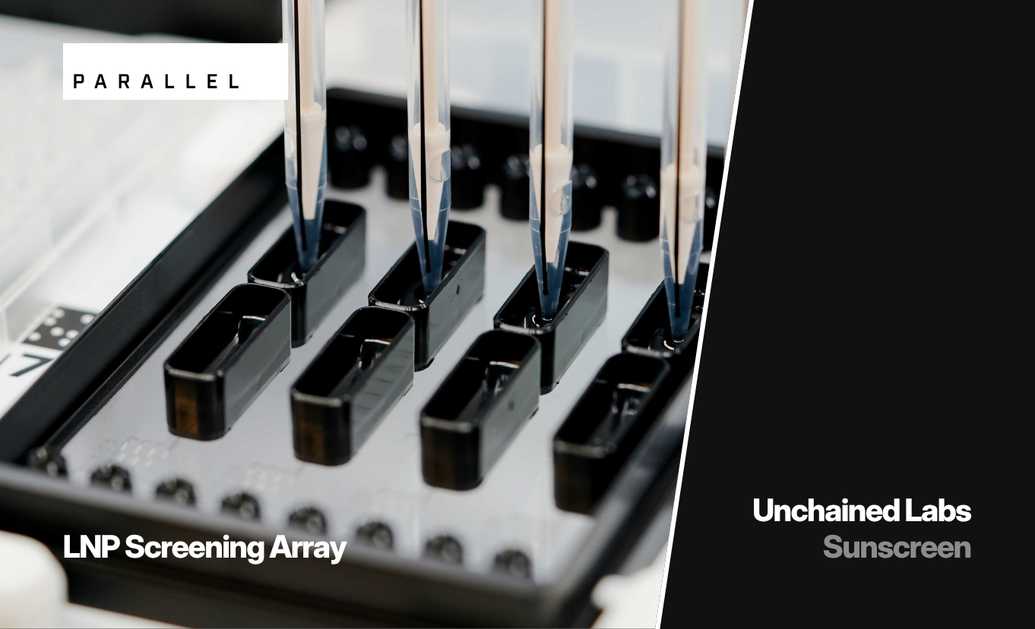
  26. LNP Screening Array vs. Unchained Labs Sunscreen

    by Joshua Gomes

    • application
    • overview
    • deep dive
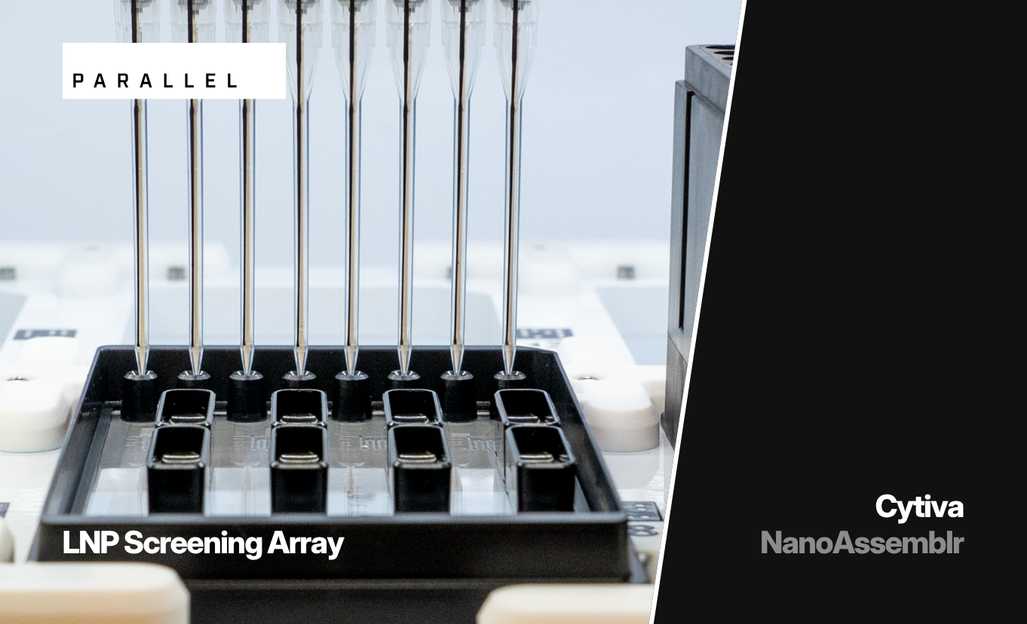
  27. LNP Screening Array vs. Cytiva NanoAssemblr

    by Joshua Gomes

    • application
    • overview
    • deep dive
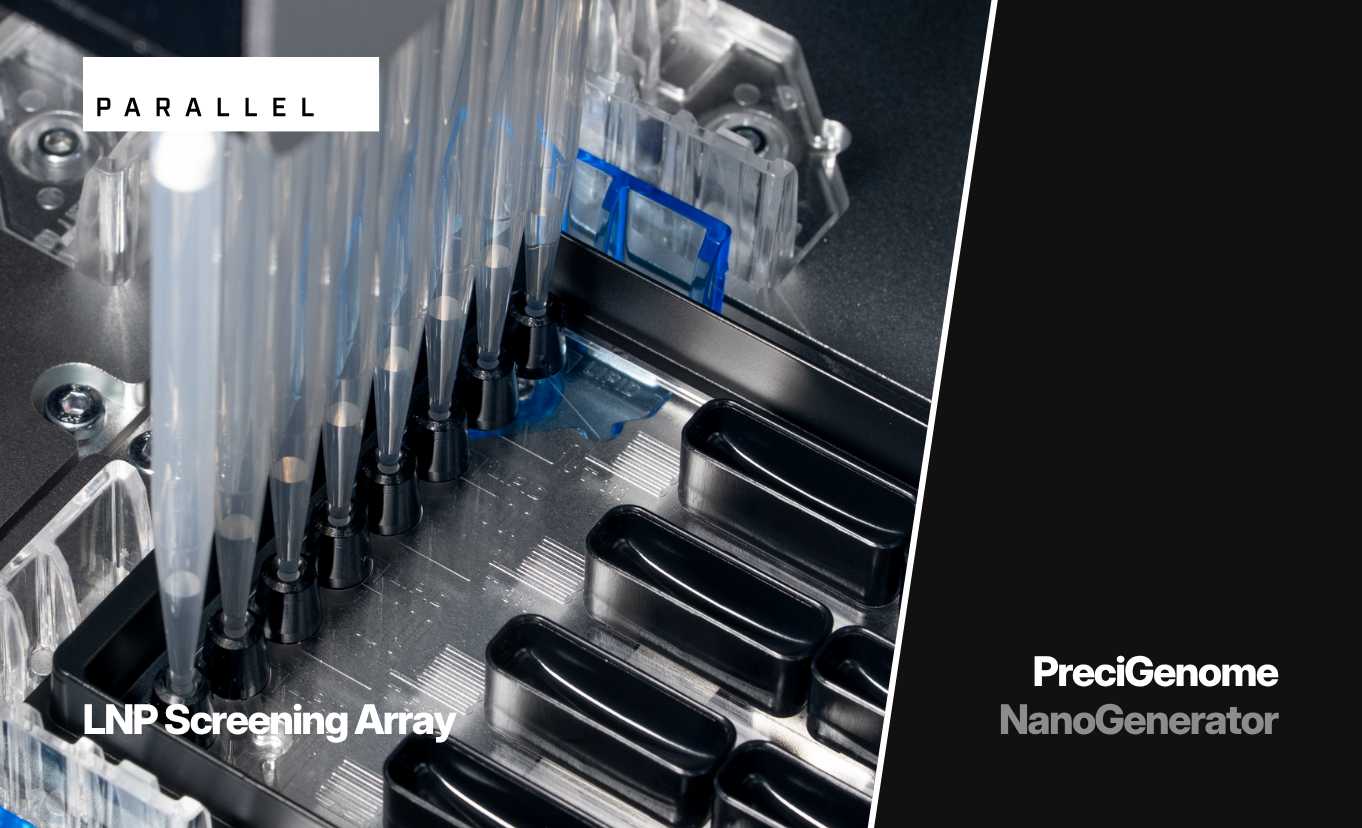
  28. LNP Screening Array vs. PreciGenome NanoGenerator

    by Joshua Gomes

    • application
    • overview
    • deep dive
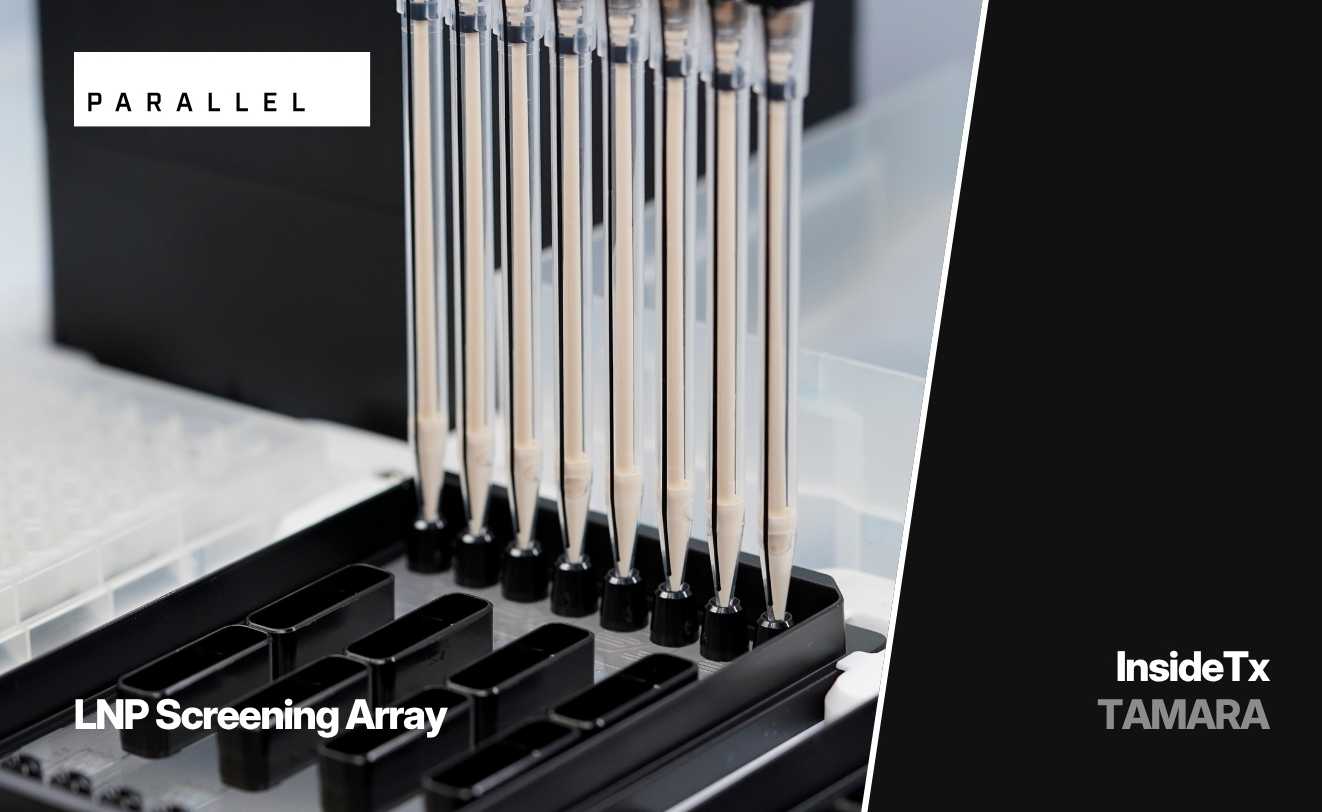
  29. LNP Screening Array vs. TAMARA

    by Joshua Gomes

    • application
    • overview
    • deep dive
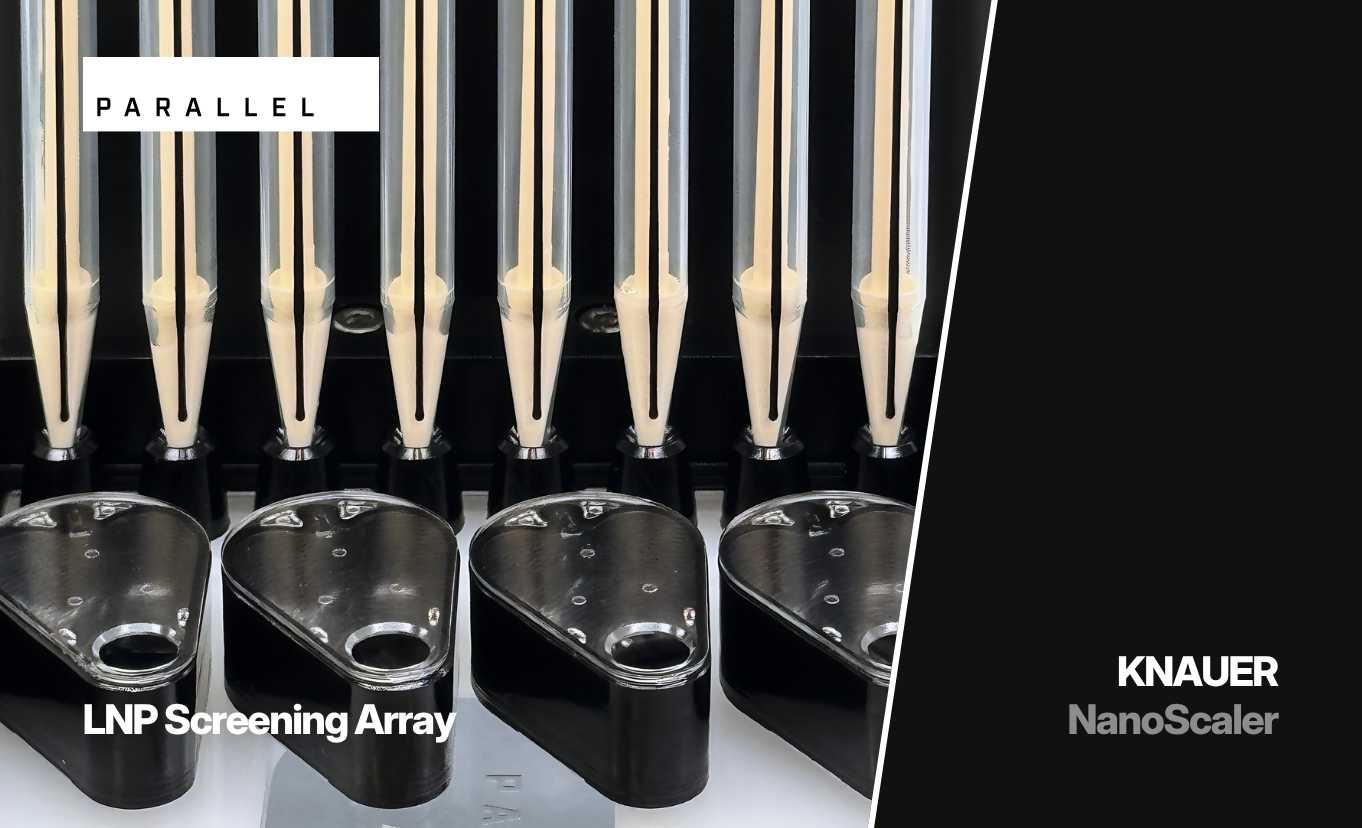
  30. LNP Screening Array vs. KNAUER NanoScaler

    by Joshua Gomes

    • application
    • overview
    • deep dive
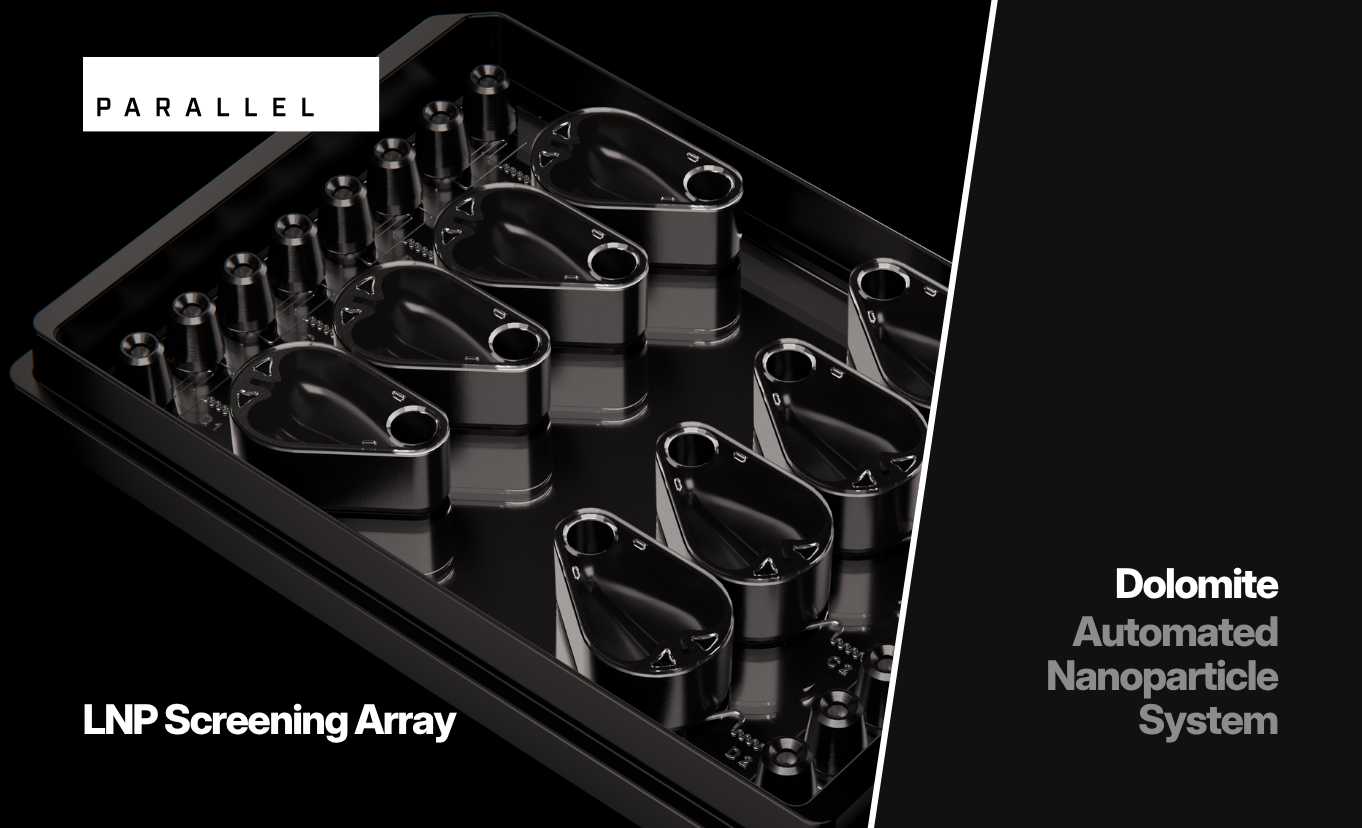
  31. LNP Screening Array vs. Dolomite Automated Nanoparticle System

    by Joshua Gomes

    • application
    • overview
    • deep dive
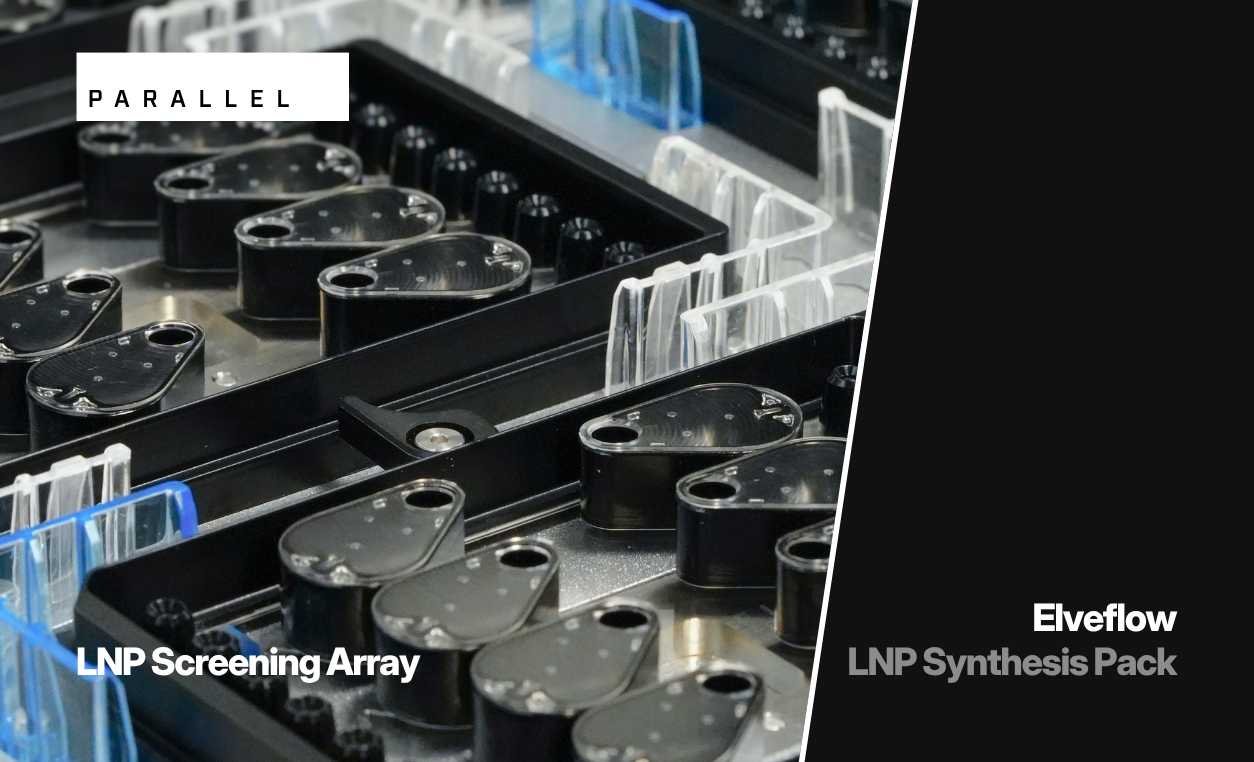
  32. LNP Screening Array vs. Elveflow LNP Synthesis Pack

    by Joshua Gomes

    • application
    • overview
    • deep dive
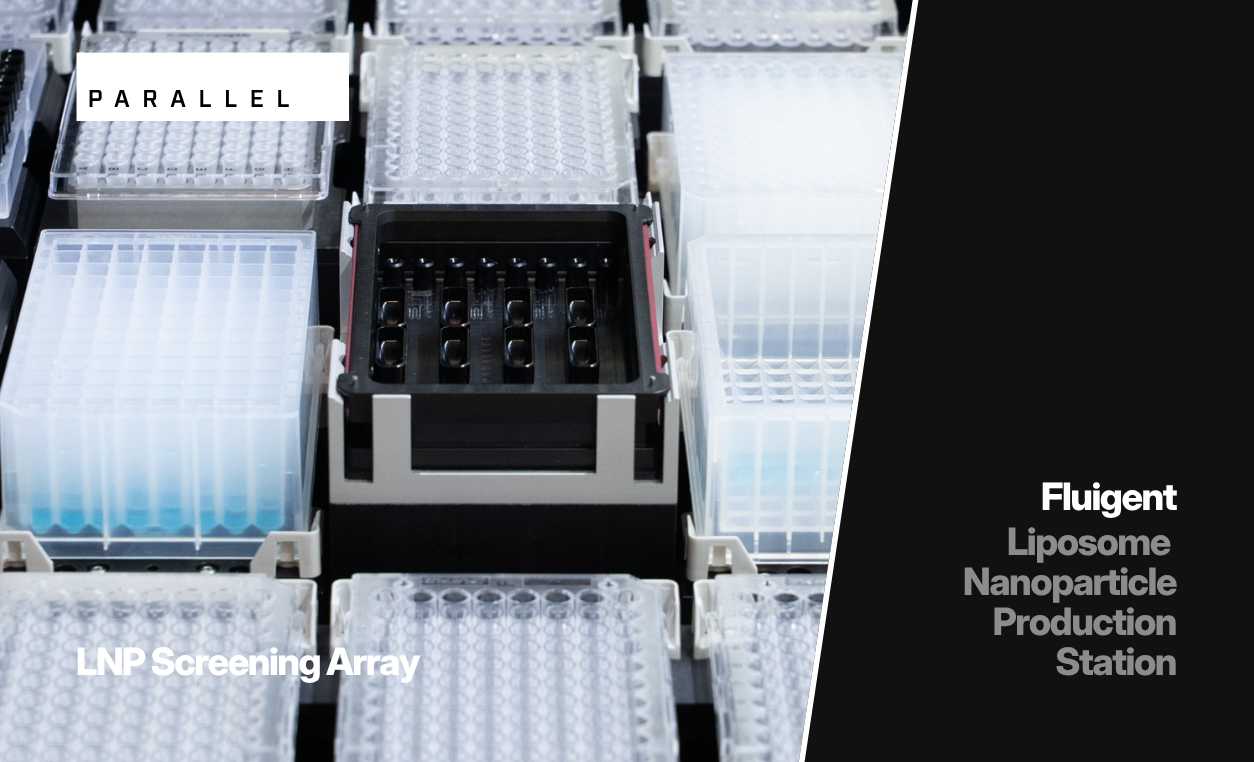
  33. LNP Screening Array vs. Fluigent Liposome Nanoparticle Production Station

    by Joshua Gomes

    • application
    • overview
    • deep dive
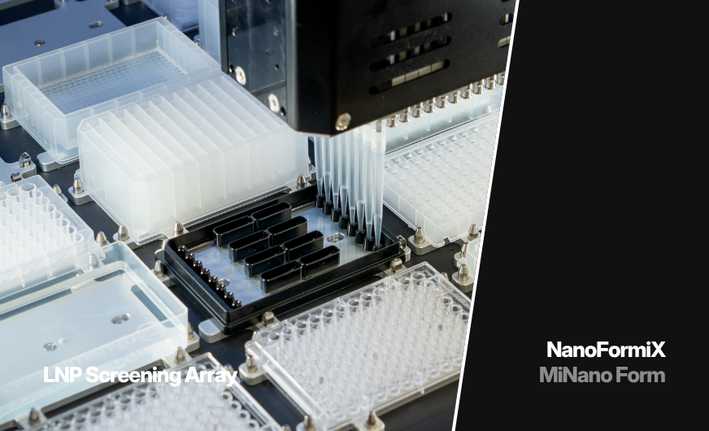
  34. LNP Screening Array vs. NanoFormiX MiNano Form

    by Joshua Gomes

    • application
    • overview
    • deep dive
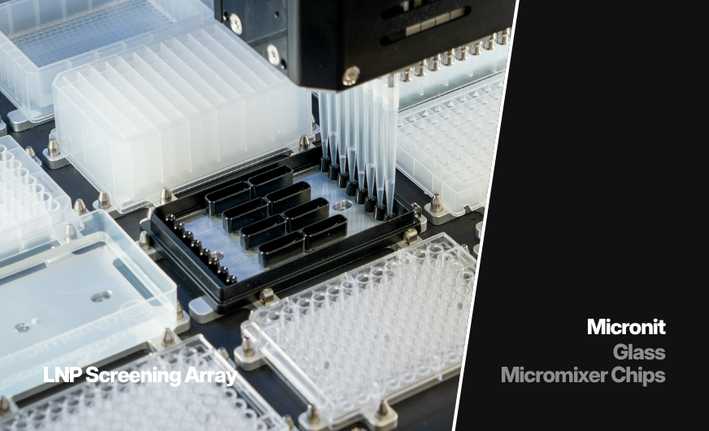
  35. LNP Screening Array vs. Micronit Glass Micromixer Chips

    by Joshua Gomes

    • application
    • overview
    • deep dive
  36. A double slide format microfluidic device with three capillary tube interfaces and three Luer interfaces. These interfaces connect to microvalves in the microfluidic device, mixing different colored liquids together to form a rainbow.

    Tubing and fitting guide for microfluidics

    by Joshua Gomes

    • deep dive
  37. A 3D microfluidic device in SolidWorks. The device has three 1/4-28 ports and is shown in a transparent material.

    How to design a microfluidic device in Solidworks

    by Joshua Gomes

    • video
    • tutorial
  38. A 2D microfluidic device in AutoCAD. The features of the device are outlined in white.

    CAD for microfluidics

    by Joshua Gomes

    • overview
  39. Three MV-2 microvalves on a microfluidic device. Channels connect the microvalves to the 1/4-28 ports next to them.

    Material selection for microfluidic devices

    by Duncan O'Boyle

    • deep dive
    • video
  40. A double-slide format microfluidic device with three MV-1 microvavles on top of a white background.

    Choosing your device material

    by Sophie Naud

    • overview
  41. Close-up of a 3D printed microfluidic herringbone mixer next to a Transition Molded one. The 3D printed structure is very vague, with clearly visible layers, while the Transition Molded structure is clearly defined, with sharp edges.

    3D printing vs Machining vs Transition Molding

    by Joshua Gomes

    • deep dive
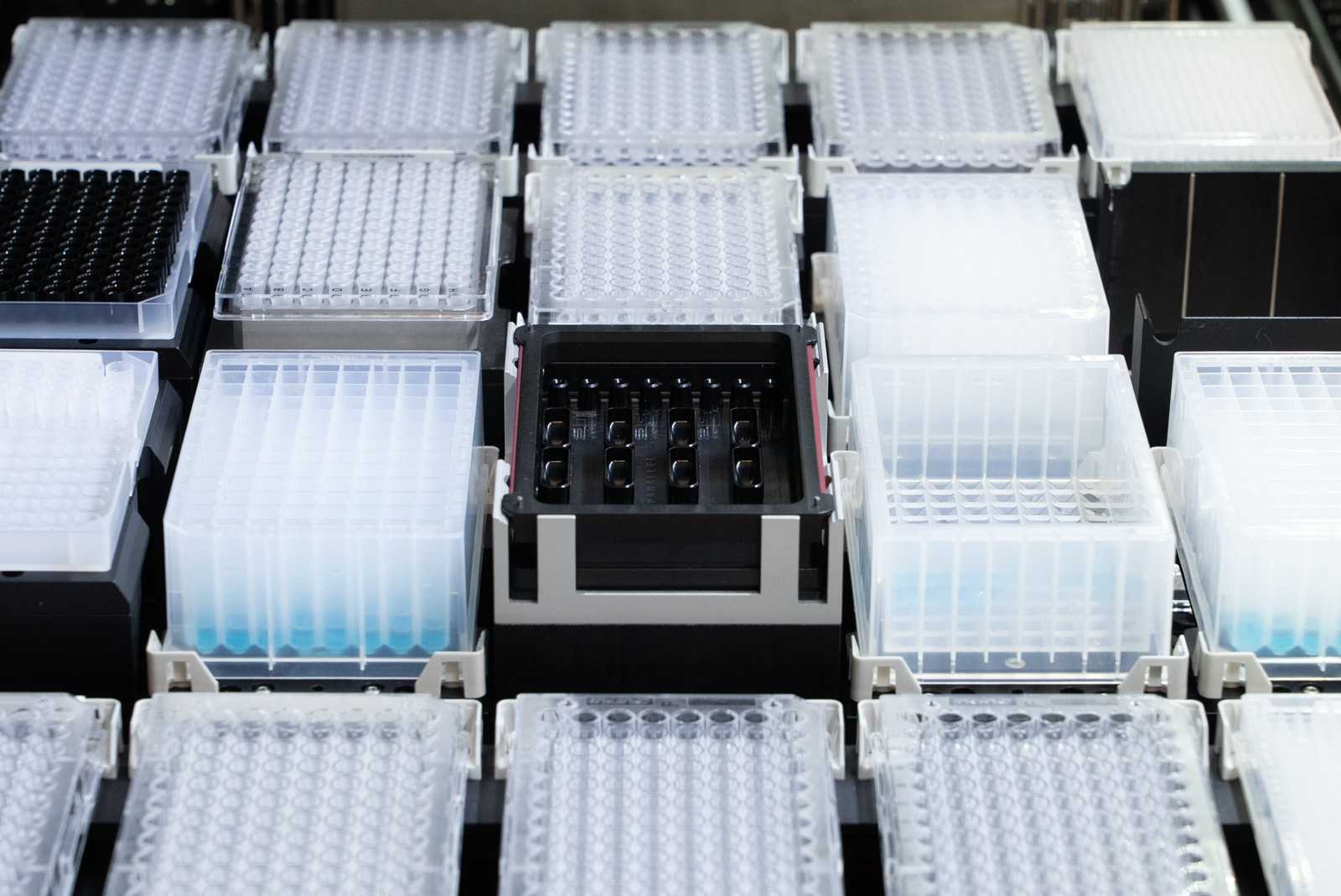
  42. A microfluidic device in an SLAS adapter, secured to a liquid handler’s deck.

    Manufacturing basics for microfluidic devices

    by Joshua Gomes

    • deep dive
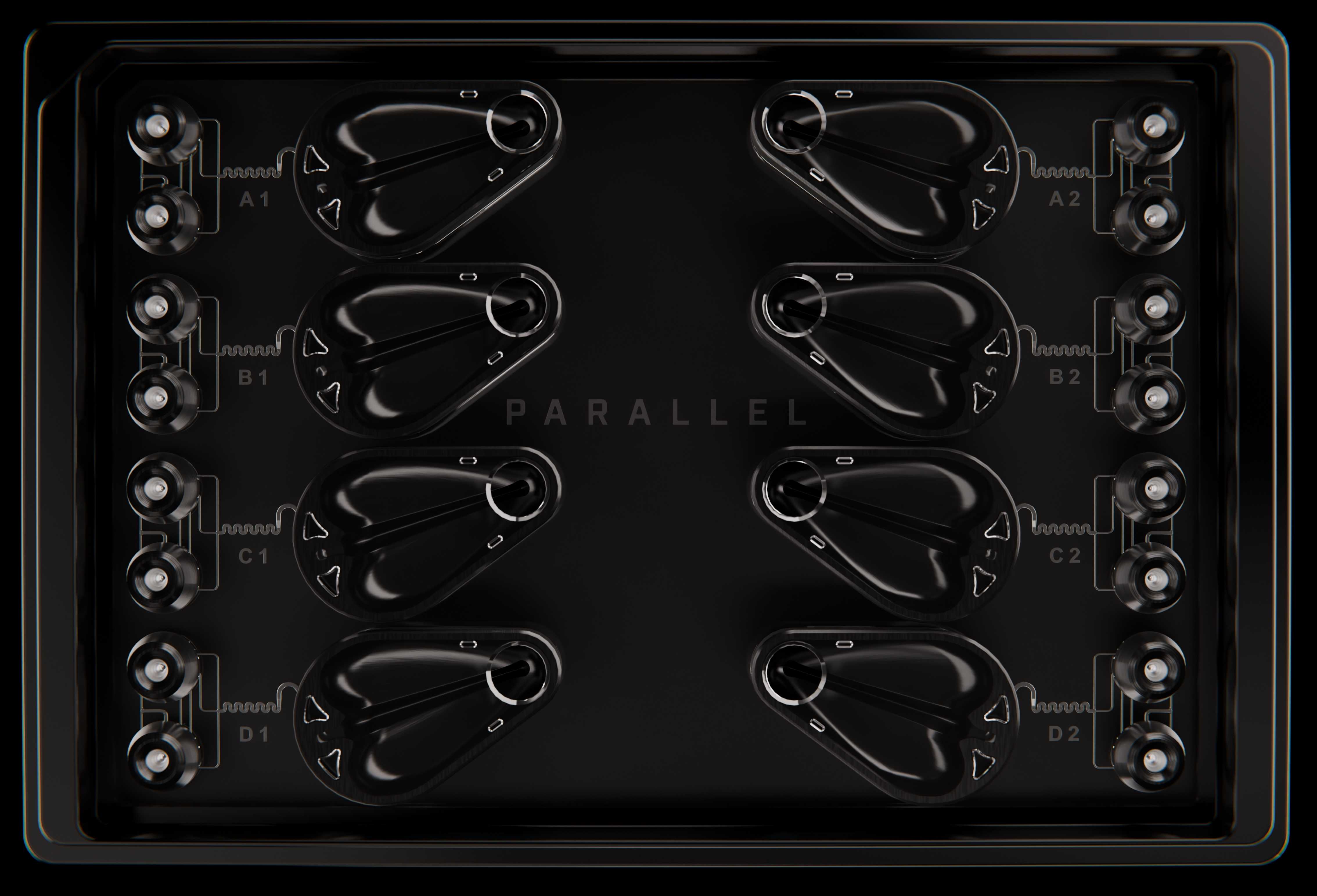
  43. A SLAS format microfluidic device with four sets of identical channels. Each channel has two pipette interfaces on one end and a reservoir on the other end. Herringbone mixers occupy the majority of each channel’s length. Bold, graphic text at the center reads "001."

    Why Microfluidic Prototype Data Fails in Production

    by Joshua Gomes

    • deep dive
  44. A SLAS format microfluidic device with four sets of identical channels. Each channel has two pipette interfaces on one end and a reservoir on the other end. Herringbone mixers occupy the majority of each channel’s length. Bold, graphic text at the center reads "002."

    Hidden Costs of Microfluidic Manufacturing Transitions

    by Joshua Gomes

    • deep dive
  45. A microfluidic device with multiple pipette interfaces connected to a zig-zagging channel. The device is placed on top of a black background.

    Creating flow in a microfluidic system

    by Joshua Gomes

    • overview
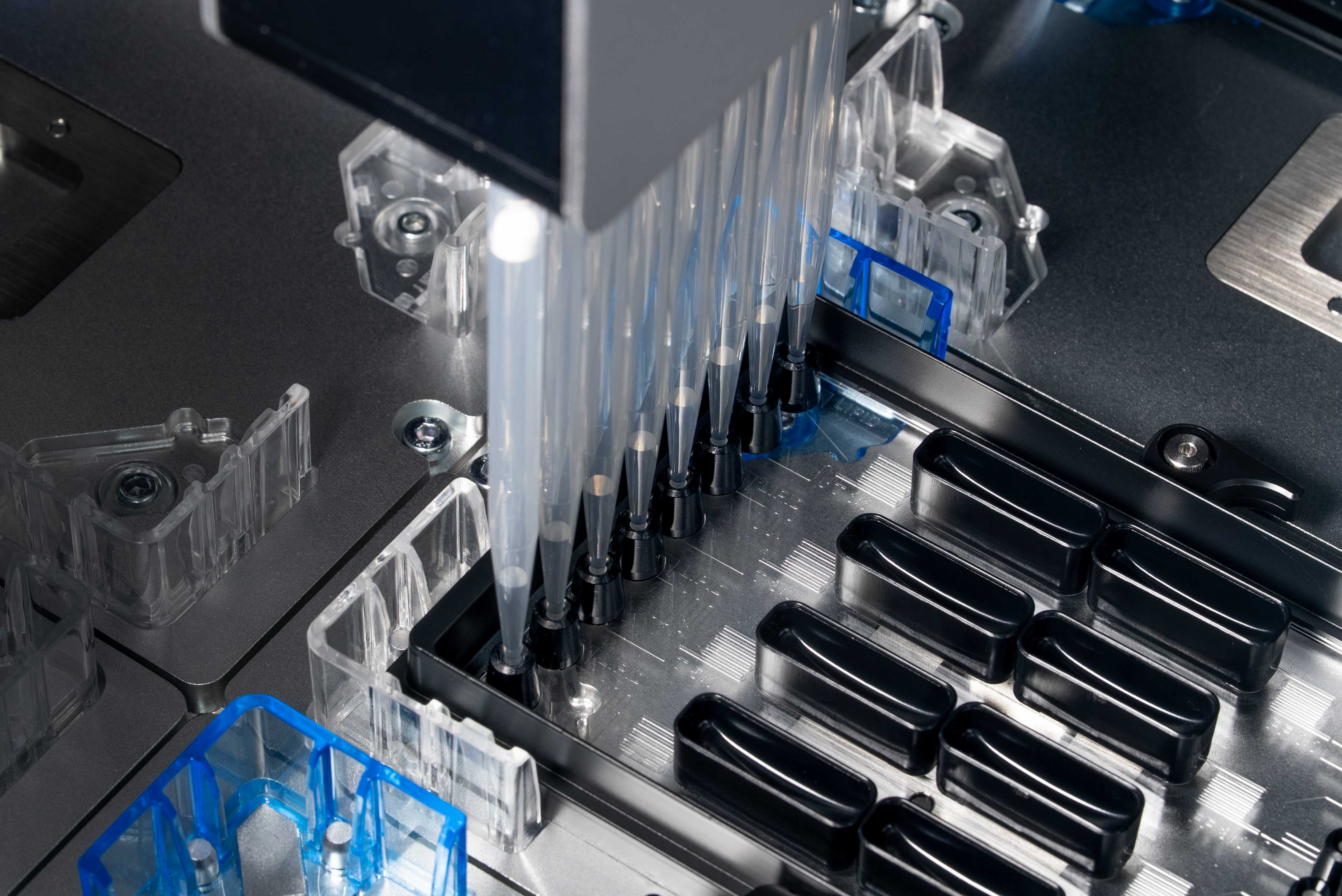
  46. A microfluidic device with an SLAS adapter placed on the deck of an automated liquid handler. The microfluidic device has multiple pipette interfaces along one edge connected to meandering channels filled with multiple colored fluids.

    Sterilization guide for microfluidic medical devices

    by Kris Buchanan

    • deep dive
  47. A SLAS format microfluidic device with 6 sets of meandering channels connecting pipette interfaces to reservoirs.

    Accelerate innovation with Parallel Fluidics

    by Sophie Naud

    • overview
  48. A SLAS format microfluidic device with four sets of identical channels. Each channel has two pipette interfaces on one end and a reservoir on the other end. Herringbone mixers occupy the majority of each channel’s length.

    Drug Development & Therapeutics

    by Joshua Gomes

    • overview
    • application
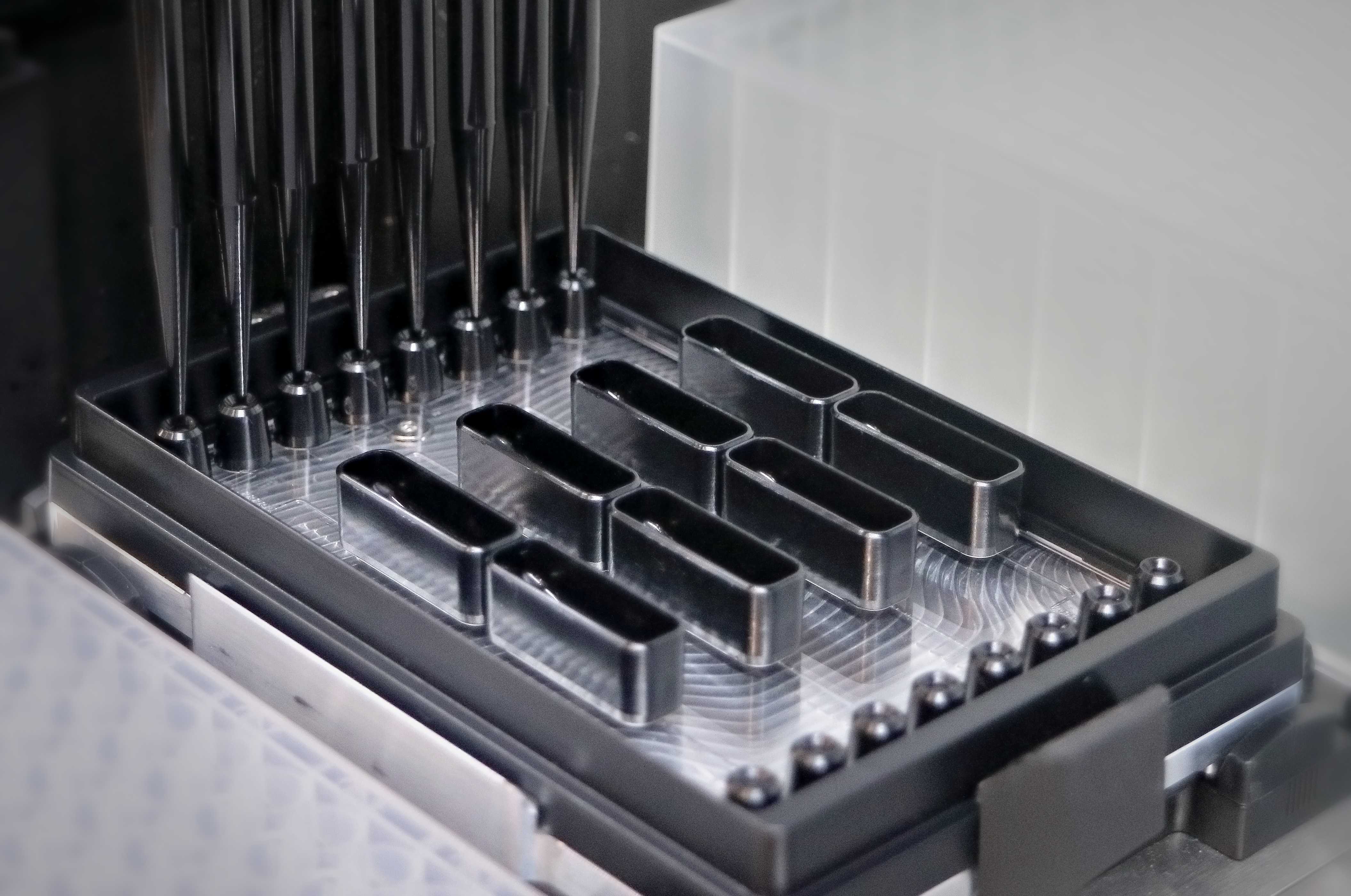
  49. Half of a SLAS format microfluidic device with eight pipette interfaces

    Design to device, simplified

    by Sophie Naud

    • overview